









































You can have the most advanced laser on the market, but if the treatment plan does not match your skin concern, you will not get the result you are paying for. That is why one of the first questions we hear is, how many laser facial treatments do I need? The honest answer is that most clients need a series, not a single session, and the exact number depends on what you want to treat, how your skin responds, and how well you support the process with the right homecare.
Laser facials are not a one-size-fits-all category. Some treatments are designed to freshen dull skin and improve glow with minimal downtime. Others target deeper concerns such as pigmentation, redness, acne scarring, or visible signs of ageing. The stronger the concern, and the more correction required, the more likely you will need multiple treatments spaced over time.
How many laser facial treatments do I need for visible results?
For general skin rejuvenation, many clients start with 3 to 6 treatments. This is a common range when the goal is brighter skin, smoother texture, refined pores, and a more even tone. Treatments are often scheduled every 2 to 4 weeks, depending on the device used and the intensity of the session.
If your concern is more advanced, the number can increase. Pigmentation, diffuse redness, acne scarring, and deeper textural issues often need a longer plan. In these cases, 4 to 8 sessions may be more realistic, sometimes combined with other professional treatments to improve overall outcome.
A single treatment can absolutely give the skin a fresher look, especially before an event, but one session is usually best thought of as a boost rather than a full correction programme. Results-driven skin work happens in a series.
What affects how many laser facial treatments you need?
The biggest factor is the concern being treated. Mild sun damage is very different from established pigmentation. Early fine lines respond differently to treatment than deeper wrinkles or acne scars. If your skin issue sits closer to the surface, you may see change faster. If it is deeper or more stubborn, progress is usually more gradual.
Your skin type also matters. Not every laser setting suits every skin tone, and experienced clinicians adjust both technology and treatment frequency to keep results safe and effective. A premium clinic will never rush treatment just to shorten the plan. Skin health comes first.
Age can play a role, but not in the simplistic way many people think. Mature skin can respond beautifully to laser when collagen stimulation is the goal. What matters more is the condition of the skin, your history of sun exposure, and whether you are consistently using active skincare and daily SPF.
Lifestyle is another major variable. If you are treating pigmentation but continuing unprotected sun exposure, you can slow your progress and trigger recurrence. If you are targeting congestion or post-acne marking but using the wrong products at home, the treatment plan may need to work harder. Clinical treatments and homecare should always support each other.
Different concerns, different treatment numbers
When clients ask how many laser facial treatments do I need, the concern itself is usually the best place to start.
For skin brightening and overall rejuvenation, 3 to 4 treatments is often enough to see a meaningful improvement in clarity and tone. This is the category many first-time laser clients begin with.
For pigmentation and sun damage, expect closer to 4 to 6 treatments in many cases. Pigment can sit at different depths, and some discolouration responds quickly while other areas fade in stages. Maintenance is particularly important here, because UV exposure can bring pigment back.
For redness and visible capillaries, some clients see improvement quickly, but 3 to 6 treatments is still common. Vascular concerns can be responsive, although severity and underlying triggers influence the number needed.
For acne and post-acne marks, treatment plans vary. Active acne may require a combined approach, while red or brown marks and uneven texture often improve over several sessions. If there is true scarring, a longer programme is usually required.
For fine lines and loss of firmness, collagen-focused laser treatments are cumulative. You may notice early improvement after a few sessions, but the skin continues changing over time as collagen remodels. In these cases, patience matters.
Why laser facials are usually done in a series
Skin does not rebuild itself overnight. Most laser technologies work by creating controlled thermal activity in the skin, which then triggers repair. That process takes time. One session starts the response, but repeated treatments build on each other.
There is also a practical reason for staging treatment. Safer, progressive settings often deliver better long-term results than trying to do too much in a single appointment. Especially in professional clinics, treatment plans are designed to balance efficacy, recovery, and skin tolerance.
This is where expert assessment becomes valuable. A proper consultation looks at your skin history, current routine, sensitivity, pigmentation risk, and treatment goals before recommending a realistic number of sessions.
How far apart should laser facial treatments be?
Most laser facial treatments are booked every 2 to 6 weeks, depending on the device and treatment intensity. Lighter rejuvenation treatments may be performed more regularly. More corrective resurfacing or collagen-focused treatments often need longer between appointments to allow the skin to recover and remodel.
This spacing is not wasted time. It is part of the treatment. Your skin needs a recovery window to produce the visible changes you want. Booking sessions too close together can compromise comfort and results.
What if you only want one treatment?
There is nothing wrong with wanting a single laser facial before a wedding, event, holiday, or work function. One treatment can improve radiance, smoothness, and overall polish. It can be an excellent option when you want your skin looking fresher and more refined.
The trade-off is that single-session results are usually temporary and more modest. If your goal is correction rather than a glow-up, one treatment is unlikely to be enough. Premium results come from planning, consistency, and the right treatment frequency.
The role of homecare in your treatment plan
The number of laser sessions you need is not only decided in the treatment room. It is also influenced by what you do every morning and night. High-performance homecare can support healing, protect your investment, and help maintain results between appointments.
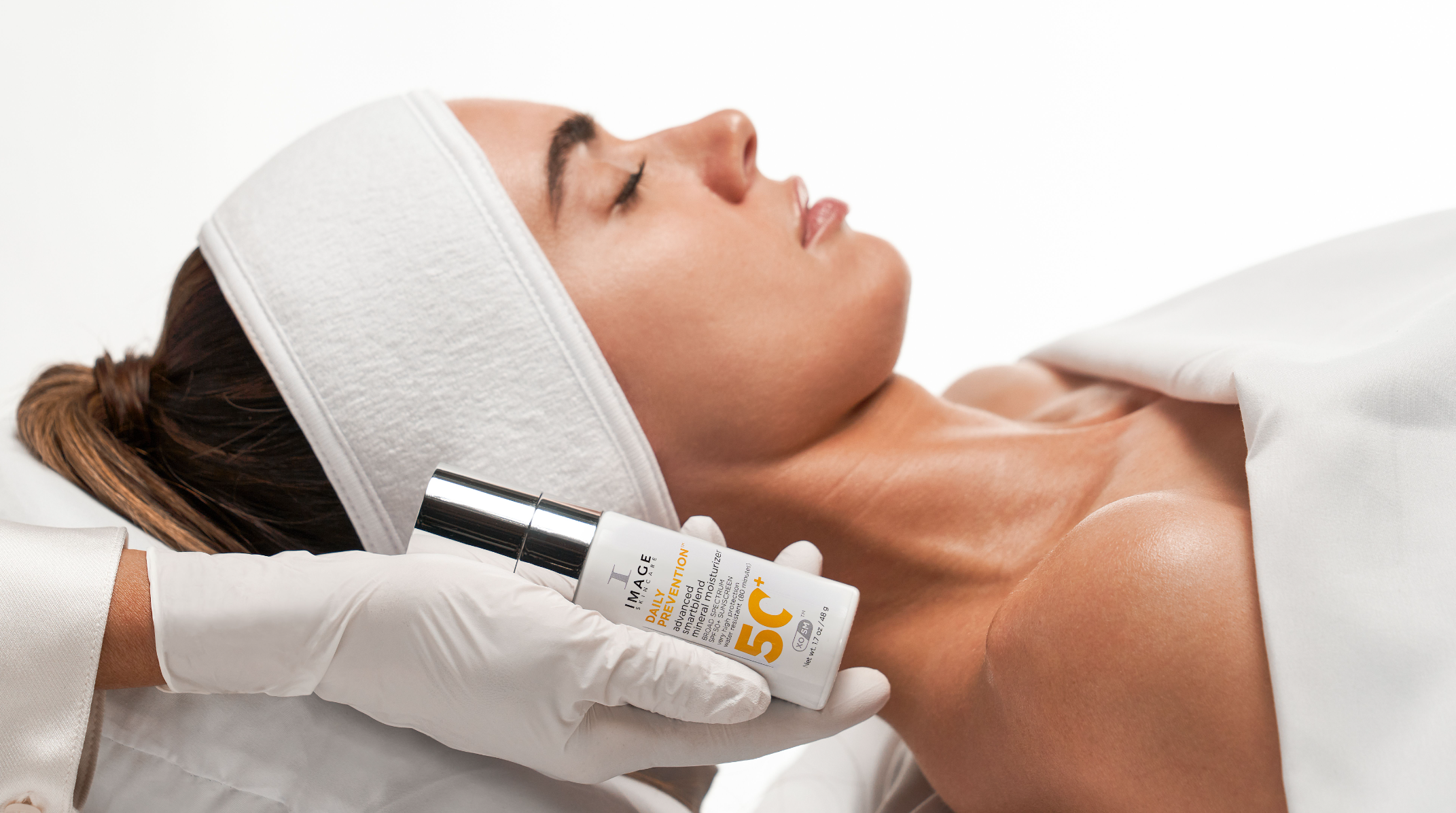
Daily SPF is essential. This is non-negotiable for anyone treating pigmentation, redness, texture, or signs of ageing. Without proper sun protection, your skin can quickly undo the progress you have made.
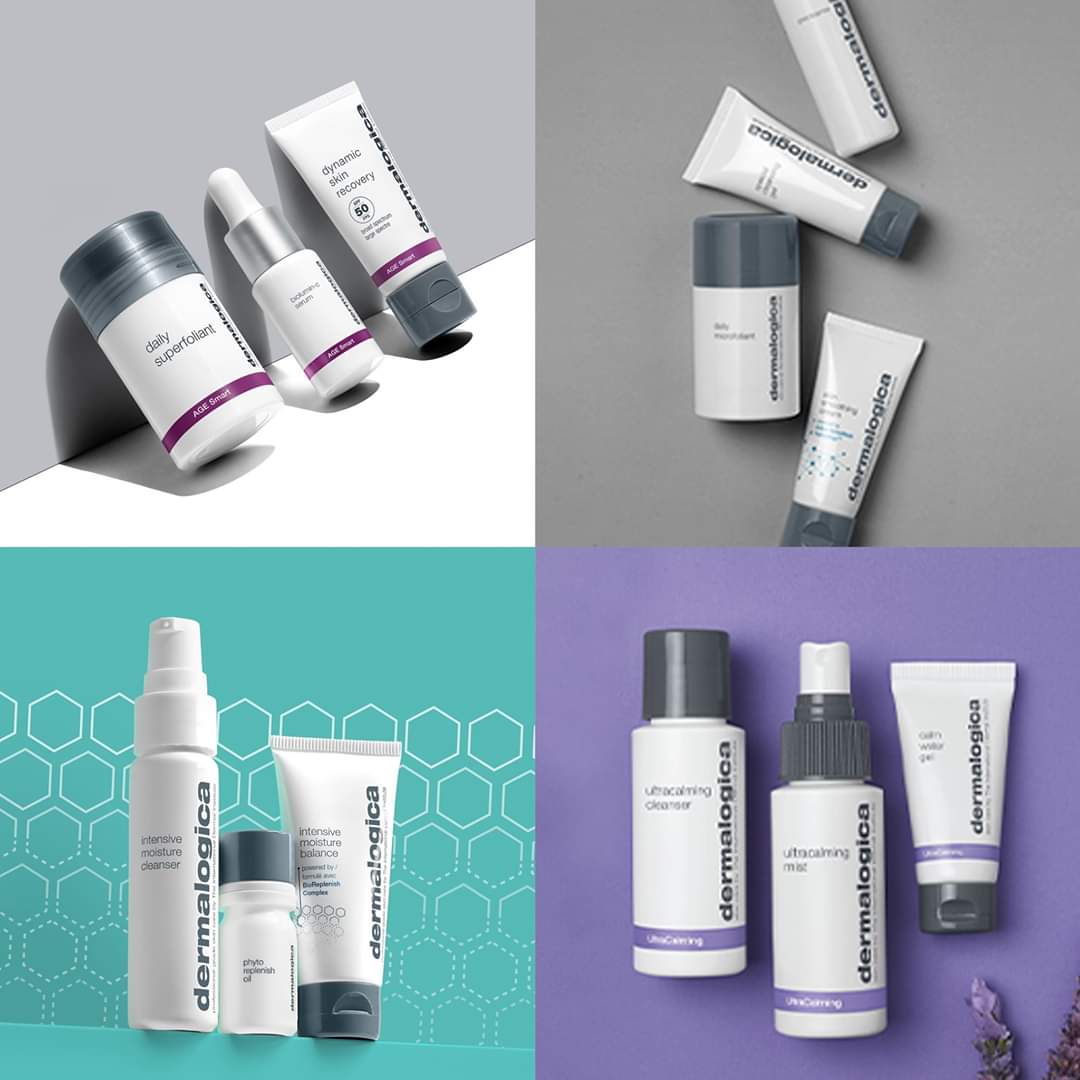
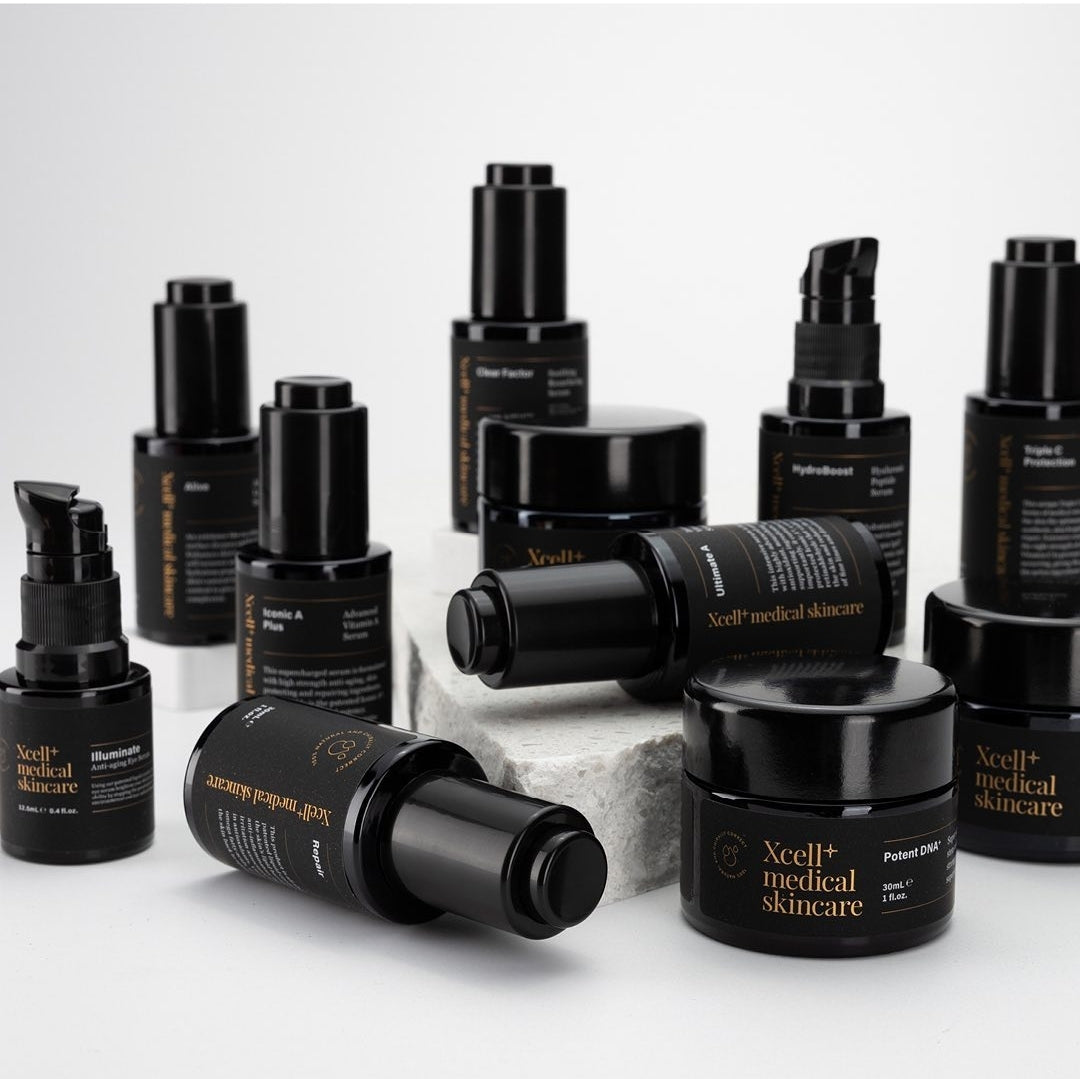
Professional skincare also matters. Depending on your skin, that might include antioxidant serums, pigment inhibitors, vitamin A, calming formulas, or barrier-supportive moisturisers. The goal is not to overload the skin. It is to create a routine that works with your laser programme, not against it.
At Exquisite Skincare, this clinic-plus-homecare approach is what delivers stronger, longer-lasting outcomes. Treatments create the opportunity for change. Homecare helps keep that change moving in the right direction.
How to know if your treatment plan is realistic
A realistic plan is specific. It should explain what concern is being treated, how many sessions are likely to be needed, what level of result is achievable, and what maintenance may be required. Be cautious of anyone promising complete correction in one appointment, especially for long-standing pigmentation, redness, or scarring.
Good treatment planning also leaves room for adjustment. Some skins respond faster than expected. Others need a more conservative approach. Results-driven clinics monitor progress and refine the plan as your skin changes.
The best question is not only how many treatments you need. It is also what kind of result you are expecting, how quickly you want to get there, and whether your skin is being treated with the right technology in the first place.
When maintenance treatments make sense
Even after a successful series, many clients choose maintenance sessions. This is particularly common for concerns influenced by ageing, sun exposure, congestion, or ongoing redness. Maintenance might mean a treatment every few months, or a seasonal refresh depending on your skin goals.
That does not mean the initial programme failed. It means skin is living tissue, affected by hormones, environment, lifestyle, and time. Maintenance is often the difference between getting a result and keeping one.
If you are asking how many laser facial treatments do I need, think beyond the first appointment. The strongest outcomes usually come from a treatment plan that is tailored, clinically guided, and supported by skincare that works. When your plan is built around your actual skin rather than a generic package, the number of sessions starts to make sense - and so do the results.

