



















If you are searching for the best laser skin treatment for acne scars, the honest answer is not one machine for everyone. Acne scarring varies in depth, shape, colour and severity, so the right treatment depends on what your skin is actually doing - not just what is trending. The best results come from matching the laser to the scar type, skin tone, recovery tolerance and the condition of the surrounding skin.
That matters because acne scars are rarely all the same. Many clients have a combination of rolling scars, boxcar scars, shallow textural changes and post-inflammatory pigmentation left behind after breakouts. Treating these effectively requires a clinical approach, not guesswork.
What is the best laser skin treatment for acne scars?
For many people, fractional laser treatments sit at the top of the list because they improve texture while leaving surrounding skin intact to support healing. Fractional resurfacing can soften boxcar scars, improve uneven texture and stimulate collagen renewal over time. It is often considered the best middle ground between visible results and manageable downtime.
That said, fully ablative resurfacing can deliver stronger improvement for more advanced scarring. It removes more of the skin surface and drives a more intensive wound-healing response, which can be highly effective for deeper textural irregularities. The trade-off is greater downtime, more post-treatment care and a higher need for careful patient selection.
Non-ablative lasers are another option, especially for clients wanting lower downtime. These treatments heat deeper layers of skin without removing the surface in the same way as ablative approaches. Results are generally more gradual and a course of sessions is usually needed, but they can be a smart choice when lifestyle, work commitments or skin sensitivity make aggressive resurfacing less suitable.
So when clients ask for the best laser skin treatment for acne scars, the more accurate question is this: best for which scars, on which skin, and with how much downtime available?
The scar type changes the answer
Rolling scars respond well when treatment can stimulate collagen and lift depressed areas over time. Fractional laser options are commonly recommended here because they improve general texture without treating the entire skin surface.
Boxcar scars can also respond well to laser resurfacing, especially if they are shallow to moderate. Deeper boxcar scars may need combination treatment rather than laser alone. In many cases, a practitioner may recommend pairing laser with microneedling, skin needling protocols or other in-clinic approaches to get a smoother result.
Ice pick scars are the hardest to treat with laser alone. These narrow, deep scars often need a more targeted strategy before resurfacing becomes useful. If someone has mainly ice pick scarring, promising a single laser as the whole answer is usually unrealistic.
Red or brown marks left after acne are often confused with scars, but they are not the same thing. Pigmentation and lingering redness can improve with certain laser or light-based treatments, but they need to be treated differently from indented scarring. This is where a proper skin consultation makes a real difference.
Fractional lasers vs ablative lasers
Fractional lasers treat columns of skin rather than removing or heating the entire area evenly. This allows faster healing compared with more aggressive resurfacing and makes them popular for acne scars, enlarged pores and uneven texture. They suit many clients who want visible improvement but still need a practical recovery window.
Ablative lasers are stronger. They remove layers of skin and can achieve dramatic textural improvement, especially in more severe acne scarring. However, they are not casual treatments. Redness, peeling, social downtime and strict aftercare are part of the process, and the skin needs to be well prepared beforehand.
Neither category is automatically better. A younger client with mild to moderate textural change may do extremely well with fractional treatment and a quality homecare plan. Someone with longstanding, deeper scarring may need a more intensive resurfacing approach or a staged treatment plan.
Skin tone and safety matter
The best laser for fair skin is not always the best laser for deeper skin tones. This is one of the most important parts of treatment planning and one of the easiest to overlook when people compare machines online.
Darker skin tones can be more prone to post-inflammatory hyperpigmentation after aggressive laser procedures. That does not mean laser is off the table, but it does mean settings, device choice and skin preparation need to be handled carefully. In some cases, lower-intensity treatments performed in a series will be the safer and smarter option.
If your skin is currently inflamed, breaking out heavily or compromised from overuse of active ingredients, laser may need to wait. Healthy barrier function gives you a better chance of healing well and achieving cleaner, more predictable results.
Why combination treatment often wins
Acne scars are not always best treated with laser alone. In a results-driven clinic setting, combination treatment is often where the best outcomes happen. Microneedling, clinical peels, pigment management, homecare correction and laser resurfacing can all play different roles depending on the skin.
For example, if a client has active congestion, redness, post-acne marks and shallow scarring, treating everything with one laser session is rarely the best strategy. A more intelligent plan may start by calming inflammation, controlling breakouts and strengthening the skin, then introducing resurfacing once the skin is ready.
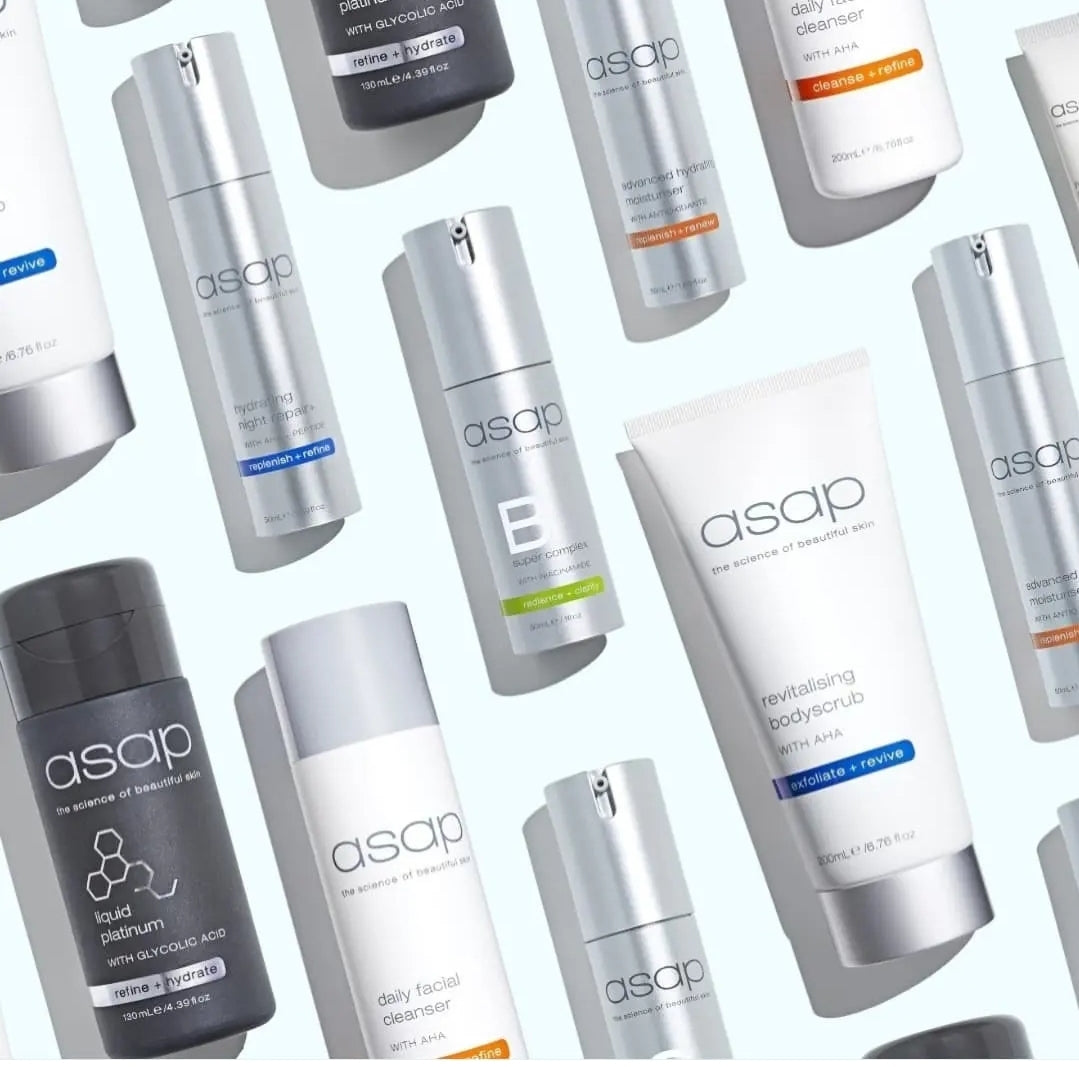
This is where integrated clinic and homecare support becomes valuable. Professional skincare can prepare the skin before treatment and maintain results afterwards. High-performance formulas containing ingredients such as vitamin A, vitamin C, exfoliating acids and barrier-supportive actives are often used strategically, but only where appropriate for the individual skin.
What results can you realistically expect?
Laser can significantly improve acne scarring, but it will not usually erase every scar completely. A trustworthy clinic should be clear about that from the start. Most clients see improvement in texture, softness of scar edges and overall skin refinement rather than perfectly scar-free skin.
The amount of improvement depends on scar depth, the type of laser used, the number of sessions and how well the skin is managed in between. Mild scarring may respond within a few treatments. More established scarring often needs patience and a staged course.
Collagen remodelling also takes time. You may see some early change once the skin has healed, but the real improvement often develops gradually over several months. That slower timeline can feel frustrating, yet it is part of how genuine structural skin improvement works.
Downtime, discomfort and aftercare
The best treatment on paper is not the best treatment for your lifestyle if you cannot realistically commit to recovery. Some laser procedures come with a few days of redness and dryness. Others involve more visible peeling, heat, swelling and a longer social downtime.
Aftercare is not optional. Sun protection, gentle skincare, strict product guidance and avoiding unnecessary irritation are essential for recovery and results. If you return too quickly to strong actives or skip sunscreen, you increase the risk of pigmentation issues and slow the healing process.
Discomfort varies by treatment, but most clients find it manageable with the right preparation. A premium clinic should explain exactly what to expect, how many sessions may be needed and what your skin is likely to look like at each stage.
How to choose the right clinic approach
When deciding on the best laser skin treatment for acne scars, look beyond the machine name. The quality of assessment matters just as much as the device itself. You want a clinic that can identify scar type, assess your skin health, discuss downtime honestly and build a treatment pathway rather than sell a one-size-fits-all session.
That is especially true if you have multiple concerns at once, such as scarring, pigmentation, sensitivity or ongoing breakouts. Results come from clinical judgement, not marketing claims.
At Exquisite Skincare, this style of treatment planning sits at the centre of better outcomes - pairing advanced in-clinic options with professional homecare to support skin before, during and after treatment.
If you are weighing up your options, start with a consultation rather than a machine request. The right laser can be transformative, but the right diagnosis is what gets you there. Better skin is rarely about choosing the strongest treatment. It is about choosing the smartest one for your skin, then giving it the support to perform.

